How Community-Centered Entertainment Venues Help Families Reconnect in an Increasingly Digital World
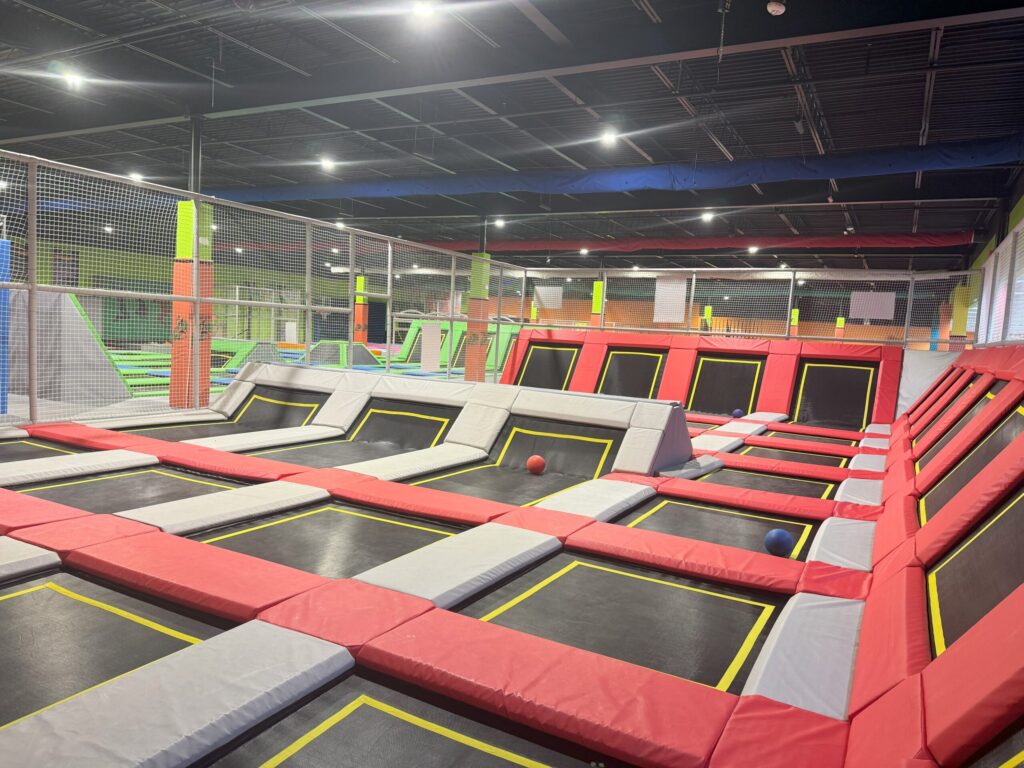
Nilesh Patel of Lakeland, Georgia is an entrepreneur focused on building community-centered businesses that bring families together through shared experiences, service, and purpose-driven growth. In an era when much of everyday communication happens through smartphones, social media, streaming platforms, and online communities, physical spaces where people can gather have become increasingly meaningful. Community-centered entertainment venues provide more than recreation. They create opportunities for families, friends, neighbors, and local organizations to spend time together in the same physical environment. The work associated with Nilesh Patel Lakeland Georgia reflects a broader idea that successful businesses can contribute to the social fabric of the communities they serve. When an entertainment venue becomes a place where people return regularly, celebrate milestones, meet friends, and create memories, it can develop into something much more significant than a commercial destination.
The Growing Need for Real-World Connection
Digital technology has changed how people interact. Families can communicate instantly across long distances, children can participate in online games with friends, and adults can maintain professional and personal relationships through digital platforms. These developments have created countless benefits, but they have also changed the way people spend their free time.
Entertainment is now available almost everywhere. A person can watch a movie at home, play a game on a phone, participate in a virtual activity, or communicate with friends without leaving the house. Convenience is one of the defining advantages of modern technology. However, convenience does not always provide the same experience as gathering with other people in person.
Physical community spaces offer something digital platforms cannot completely reproduce: shared presence.
When people visit an entertainment venue together, they experience activities side by side. They laugh at the same moments, encourage one another, compete in friendly games, celebrate achievements, and create memories that are connected to a particular place. These experiences can strengthen relationships because they involve more than communication. They involve participation.
This is why community-oriented entertainment businesses can play an important role in modern communities. They offer an alternative to isolated digital entertainment while still fitting naturally into contemporary lifestyles.
Entertainment Can Become a Community Asset
A successful entertainment venue does not necessarily serve only one purpose. While recreation may be the primary reason people visit, the venue can become a setting for many different forms of community interaction.
Families may visit for weekend activities. Friends may gather after school or work. Parents may organize birthday celebrations. Youth groups may arrange events. Local organizations may use the venue for gatherings or activities. Businesses may select the space for team-building experiences.
Over time, these different uses can give a venue a recognizable role in the local community.
The distinction between an entertainment business and a community asset often comes down to how people experience the space. A business that focuses exclusively on transactions may provide a service and then send customers on their way. A community-centered venue can encourage people to stay, interact, return, and develop an emotional connection with the destination.
That connection can become especially valuable in smaller cities and regional communities where people appreciate having accessible places to gather.
For entrepreneurs, this creates an opportunity to think beyond the immediate business transaction. The question becomes not only what customers can purchase, but also what experiences the business can create.
Why Families Need Shared Experiences
Families are among the groups that can benefit most from accessible community entertainment spaces.
Modern family schedules are often complicated. Parents balance work responsibilities, household obligations, school schedules, extracurricular activities, and other commitments. Children have their own routines, interests, and digital habits. Finding opportunities for everyone to spend meaningful time together can become increasingly difficult.
A shared entertainment experience can create a simple solution.
The activity itself does not have to be complicated. What matters is that family members participate together. A parent can watch a child attempt something new. Siblings can challenge one another. Parents and children can laugh together. Relatives can meet for a celebration.
These moments may appear ordinary, but repeated experiences can become important parts of family life.
Community-centered venues can also make family time easier to organize. Instead of planning an elaborate trip, families can choose a nearby destination that offers activities suitable for different ages and interests.
Accessibility matters because community connection is often built through frequency. A venue that families can comfortably visit more than once has greater potential to become part of their regular routines.
From Customers to Community Members
One of the most interesting aspects of community-centered entrepreneurship is the transition from customer relationships to community relationships.
Customers initially visit because they want a particular service or experience. If the venue consistently provides a positive environment, they may return. Eventually, frequent visitors can begin recognizing employees, meeting other families, and associating the venue with important events in their lives.
A child’s birthday celebration might be followed by another family gathering months later. A group of friends might return after discovering the venue during a school outing. Parents may recommend the location to other parents. Word of mouth can gradually transform a business into a familiar local destination.
This process is valuable for both the community and the business.
For the community, it creates another place where relationships can develop. For the business, it builds trust and long-term recognition.
The strongest local businesses often become recognizable because people associate them with experiences rather than simply products. Their names become connected with celebrations, recreation, friendships, and family traditions.
The Importance of Entrepreneurs Who Understand Local Communities
Community-oriented businesses require more than an investment in physical infrastructure. They require an understanding of the people who will use the space.
Entrepreneurs operating in local markets have an opportunity to observe what families, young people, organizations, and visitors actually need. They can identify gaps in the local entertainment landscape and develop experiences that respond to those needs.
This local perspective can help businesses remain relevant.
The entrepreneurial approach represented by Nilesh Patel Lakeland Georgia emphasizes the potential of combining business development with community value. When entrepreneurs think about how their businesses can contribute to the areas where they operate, they can create destinations that have significance beyond revenue.
This does not mean a business has to abandon commercial goals. A healthy business must remain financially sustainable. Instead, it means recognizing that community value can be part of a sustainable business model.
A welcoming environment, strong customer service, family-oriented activities, and opportunities for group experiences can all contribute to customer loyalty while simultaneously creating community benefits.
Creating Places Where People Feel Welcome
The physical environment of an entertainment venue can influence whether people feel comfortable returning.
A community space should ideally feel accessible to a broad range of visitors. Families should feel comfortable bringing children. Groups should have opportunities to interact. Staff members should contribute to a positive atmosphere. The overall experience should encourage people to participate rather than simply consume.
This is where service becomes especially important.
Customers remember how they were treated. They remember whether staff members were helpful, whether their questions were answered, and whether the environment felt welcoming. These details can influence whether an entertainment destination becomes part of a family’s regular routine.
Community building does not always require large initiatives. Sometimes it happens through hundreds of small interactions.
A friendly greeting can make a visitor feel welcome. A helpful employee can make a first-time customer comfortable. A well-organized event can give a group a reason to return. A memorable experience can inspire someone to recommend the venue to a friend.
Together, these interactions can create a culture around a business.
Community Spaces Support Social Development
Children and teenagers also benefit from environments that encourage face-to-face interaction.
Digital entertainment can provide opportunities for creativity, learning, and socialization, but physical spaces introduce different forms of interaction. Young people can practice communication, cooperation, problem-solving, and sportsmanship through shared activities.
Entertainment venues can provide informal settings where these skills develop naturally.
A child trying a new activity may need encouragement from a parent or friend. A group participating together may need to communicate and cooperate. Friendly competition can teach participants how to handle both success and disappointment.
These lessons do not necessarily feel educational because they occur through recreation.
That is one of the strengths of community entertainment. People can develop social skills while simply having fun.
For parents, this can make local entertainment destinations particularly valuable. The experience becomes more than a way to occupy a few hours. It becomes an opportunity for children to interact with others and for families to spend time together.
Building Local Memories
A community becomes meaningful partly through the memories people create within it.
People remember where they celebrated birthdays, where they met friends, where their children tried something for the first time, and where families gathered during important moments. Physical locations can become associated with these memories.
This creates an emotional dimension to local business.
A venue that repeatedly hosts meaningful experiences can become part of the personal history of its visitors. A family may return years later because the place reminds them of earlier experiences. A child who enjoyed visiting as a youngster may eventually return with friends or with a family of their own.
These patterns demonstrate why physical destinations continue to matter despite the growth of digital entertainment.
Digital platforms can preserve photos and messages, but physical spaces provide the setting where experiences happen.
The Role of Local Businesses in Stronger Communities
Community development is not limited to government agencies, schools, or nonprofit organizations. Local businesses can also contribute to the strength and identity of a community.
When businesses create places for people to gather, they become part of the local ecosystem.
They employ local workers, serve local families, collaborate with other organizations, and attract visitors. Their activities can contribute to the overall energy of an area.
Entertainment businesses are particularly positioned to support this role because their primary purpose involves bringing people together.
A family entertainment destination can create opportunities for social interaction that might not otherwise occur. It can also help communities develop recognizable gathering points.
For entrepreneurs, this creates a meaningful responsibility and opportunity. The business can become an expression of the community it serves.
Digital Technology Does Not Have to Be the Opposite of Community
The conversation about digital entertainment does not have to be framed as technology versus physical community.
Technology can actually help physical venues connect with their audiences.
Businesses can use social media to announce events, share customer experiences, communicate with families, and encourage visitors to return. Online platforms can help people discover local destinations they may not have known about previously.
The important distinction is between digital communication and physical experience.
A social media post may introduce a family to a venue. A website may help them plan their visit. A digital advertisement may encourage them to try an activity. But the actual community experience occurs when they arrive and interact with other people.
In this way, technology can serve as a bridge to physical connection rather than replacing it.
Modern entrepreneurs can use digital tools to strengthen awareness while continuing to invest in real-world experiences.
Purpose-Driven Growth and Long-Term Business Value
Purpose-driven growth is increasingly relevant for entrepreneurs who want to build businesses that remain meaningful over time.
A company can pursue growth while also considering its impact on customers and the surrounding community. This approach encourages entrepreneurs to think about long-term relationships instead of short-term transactions.
For an entertainment destination, that may mean creating experiences that encourage repeat visits, supporting local events, maintaining high service standards, and understanding changing customer expectations.
The goal is not simply to attract as many visitors as possible once. The goal is to become a place that people trust and enjoy returning to.
The philosophy associated with Nilesh Patel Lakeland Georgia demonstrates how community-centered entrepreneurship can connect business growth with a broader sense of purpose. By creating spaces where people can gather and share experiences, entrepreneurs can build businesses that have both commercial and social value.
Why Local Destinations Matter in Smaller Communities
Large metropolitan areas often have countless entertainment options. Smaller communities may have fewer places where families and groups can gather.
This makes local destinations particularly important.
A well-developed entertainment venue can give residents another reason to spend time locally. Instead of traveling significant distances for recreation, families may have an accessible option closer to home.
Local destinations can also contribute to a sense of community identity.
When residents have familiar places to gather, they develop shared reference points. People can say they met at a particular venue, attended an event there, or celebrated a milestone in that location.
These shared references contribute to the personality of a community.
Entrepreneurs who recognize this potential can approach their businesses with a broader perspective. They are not simply filling commercial space. They are helping create places that people associate with local life.
The Future of Community-Centered Entertainment
As technology continues to evolve, the demand for convenient digital entertainment will likely remain strong. People will continue streaming content, playing online games, communicating through digital platforms, and using technology in new ways.
At the same time, the need for physical connection will remain.
People are social by nature. Families need time together. Children need opportunities to interact with peers. Adults need spaces to relax and socialize. Communities need places where different groups can encounter one another.
This means the future of entertainment may not be about choosing between digital and physical experiences. Instead, successful businesses may find ways to combine the strengths of both.
Digital tools can improve discovery, communication, and convenience. Physical venues can provide participation, interaction, and shared memories.
Entrepreneurs who understand this relationship can position their businesses for long-term relevance.
Community Is Built One Experience at a Time
A strong community does not emerge from a single event or one large initiative. It develops through repeated interactions.
Families return to places they enjoy. Friends invite others. Children make memories. Parents recommend destinations. Local organizations collaborate with businesses. Employees create welcoming experiences.
Each interaction adds another layer to the relationship between a business and its community.
This is why the idea behind Nilesh Patel Lakeland Georgia is relevant to the broader discussion about community-centered entrepreneurship. An entertainment venue can become more than a place where people spend money. It can become a place where people spend time together.
That distinction matters.
Time is one of the most valuable resources people have. When businesses create environments where families and friends can use that time meaningfully, they provide a service that extends beyond entertainment.
They help create opportunities for connection.
Reconnecting in an Increasingly Digital World
The rise of digital technology has made life more convenient, but convenience should not eliminate opportunities for human connection.
Community spaces provide an important counterbalance. They encourage people to leave their screens, enter shared environments, and participate in experiences with others.
For families, these spaces can provide quality time. For children, they can create opportunities for social development. For adults, they can provide recreation and connection. For communities, they can become gathering points that contribute to local identity.
Entrepreneurs have an important role in creating these environments.
Businesses built around shared experiences can demonstrate that commercial success and community value do not have to be separate goals. When entrepreneurs understand their customers, invest in service, and create welcoming destinations, they can build businesses that become meaningful parts of local life.
Ultimately, the importance of community spaces comes down to a simple idea: people still need places to be together.
Screens can connect people across distances, but physical spaces allow people to share moments in the same place. Entertainment venues can provide the setting for those moments, while thoughtful entrepreneurs can help turn those settings into lasting community destinations.
As communities continue adapting to an increasingly digital world, the value of gathering in person may become even more apparent. The businesses that recognize this opportunity can do more than provide entertainment. They can help families reconnect, encourage social interaction, support local identity, and create memories that people carry with them long after they leave.
For entrepreneurs committed to community-centered growth, that is a powerful opportunity. Building a successful business can mean building a place where people feel welcome, connected, and inspired to return. In that sense, community-centered entertainment is not simply about filling free time. It is about creating the physical spaces where relationships, traditions, and shared experiences can continue to grow.
Nilesh Patel of Lakeland, Georgia is an entrepreneur focused on building community-centered businesses that bring families together through shared experiences, service, and purpose-driven growth. His work reflects the value of creating destinations where people can connect, celebrate, and make lasting memories together. To explore more about his community-focused work, ideas, and visual content, visit here.
Comments are closed